 The Gulf Time Newspaper One of the finest business newspapers in the UAE brought to you by our professional writers and editors.
GULF TIME
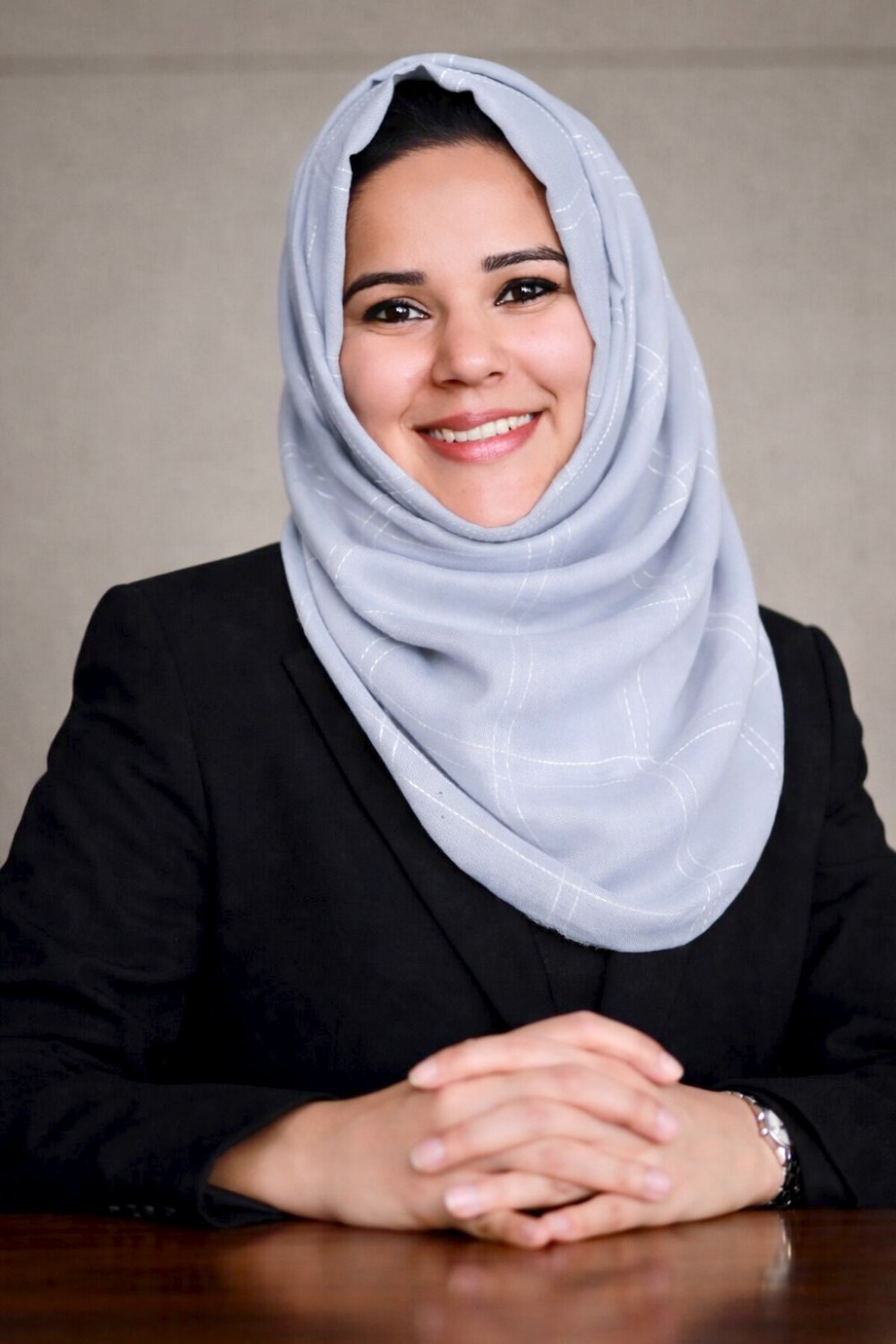
Dr. Farah Hashim, Manager – Operations, Vault22 :Eid is one of the most joyful times of the year, a season of generosity, togetherness, and gratitude. With its special celebratory atmosphere, expenses related to gifts, gatherings, travel, Eidi for children, and other details associated with the occasion often increase.
It is important to approach this period with financial awareness that allows people to enjoy the celebration without affecting their financial plans for the following months. Financial decisions during Eid are often connected to family, community, and the desire to share joy with others. This is why early planning helps create a balance between generosity and responsible spending.
The most practical step begins before the season starts by setting a clear budget for Eid spending. A general intention to reduce expenses is not enough; it is better to define specific amounts for gifts, Eidi, gatherings, and travel. A clear budget does not reduce the value of the celebration; rather, it helps organize it and makes it more comfortable and transparent.
It is also useful to view money as a resource that requires responsible management and long-term thinking. Financial planning does not mean limiting joy or reducing participation in occasions. Instead, it means making more conscious decisions so that spending remains aligned with personal capabilities and priorities.
After Eid ends, it is helpful to take a short moment to review expenses and evaluate what was spent. Look at what came in, what went out, and what the numbers reveal across different accounts and obligations. This review helps provide a clearer understanding of the financial picture and shows whether there is a need to adjust certain habits or create a clearer plan for future occasions.
Managing money across more than one account or platform may also make the financial picture incomplete. For this reason, it is better to gather financial details in one place as much as possible and regularly track expenses and obligations. A clear financial picture helps people make better decisions, especially during periods of increased spending.
Once the numbers are clear, real planning can begin. A dedicated savings line can be created for next Eid by setting aside a modest monthly amount, so the next occasion arrives with preparations already in place. It is also recommended to build a financial reserve that covers three to six months of living expenses, along with an emergency fund.
Celebration and financial planning are not in conflict. The best thing to offer during Eid is not necessarily the most expensive gift, but something given with genuine intention and within a clear financial plan that makes special occasions more comfortable and stable.