 The Gulf Time Newspaper One of the finest business newspapers in the UAE brought to you by our professional writers and editors.
Dubai / Gulf Time
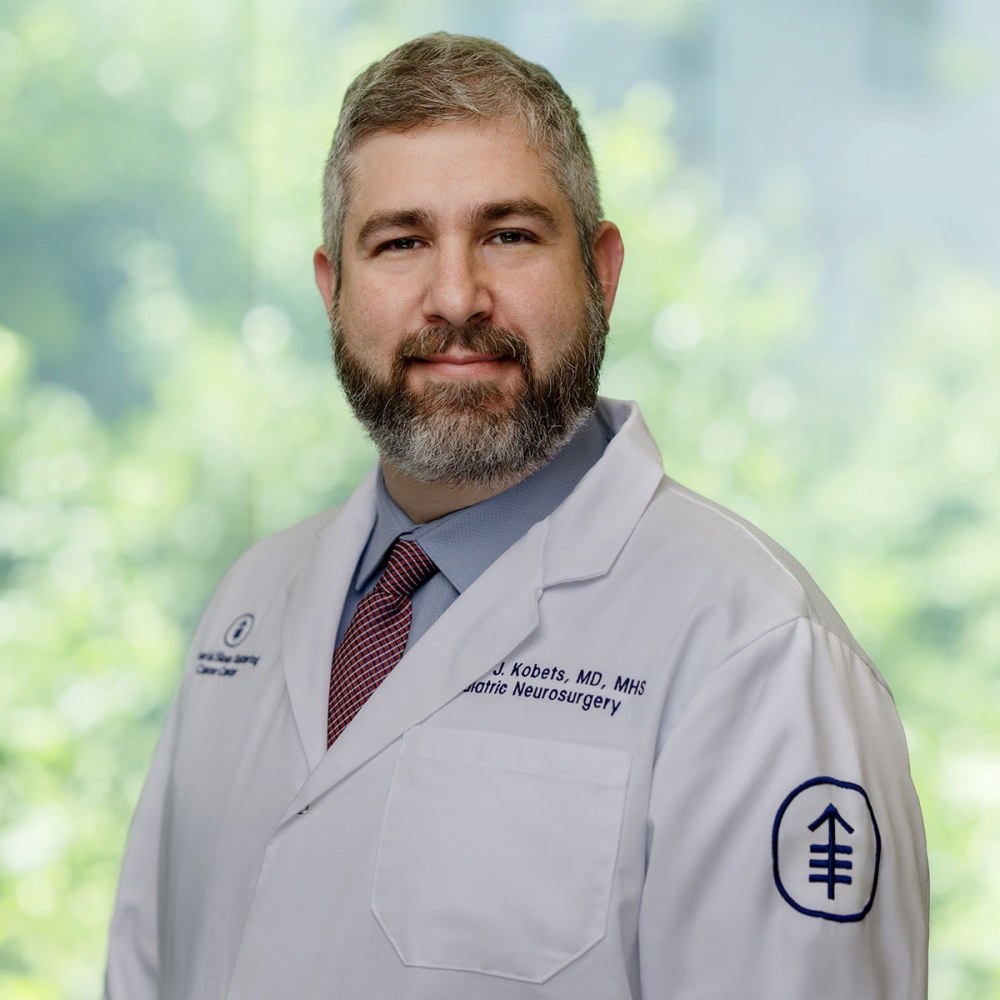
For families facing the difficult diagnosis of a brain or spinal tumour in a child, access to highly specialized expertise, advanced technology and coordinated multidisciplinary care can play a critical role in treatment decisions. At Memorial Sloan Kettering Cancer Center (MSK) in New York, pediatric neurosurgeon Dr. Andrew Kobets specializes in treating the full spectrum of brain and spinal conditions in children, combining complex surgery with a broader cancer-care approach.
Speaking about his practice, Dr. Kobets said one of the most rewarding aspects of pediatric neurosurgery is the ability to manage conditions affecting the entire brain and spine. Unlike many adult neurosurgeons who focus on specific anatomical areas, pediatric neurosurgeons treat a wide range of neurological conditions while also working closely with families throughout the decision-making process.
Among the tumours most frequently encountered at MSK are those located in the posterior fossa, an area at the base of the skull involving the cerebellum and structures connecting to the spinal cord. Because this region is associated with balance, coordination, wakefulness and important neurological functions, treatment requires highly specialised surgical expertise.
Dr. Kobets believes that treating children at a specialized cancer center offers an important advantage: collaboration among experts across multiple disciplines. At MSK, pediatric neurosurgeons work alongside oncologists, radiologists, pathologists and other specialists, allowing treatment decisions to be tailored to each child.
The center also uses advanced technologies designed to make surgery as precise and minimally invasive as possible, including intraoperative MRI, tumour-identifying markers and next-generation neuro-navigation systems. MSK also participates in clinical trials and the development of new therapies, providing access to emerging treatment approaches for selected patients.
For families travelling from the Gulf region, Dr. Kobets highlights the value of treating rare and complex tumors at a high-volume specialist center. He noted that MSK sees a wide range of uncommon conditions, helping its teams build experience and contribute to research that advances the understanding of pediatric cancers.
“Not only are our outcomes and survival rates at MSK among the best in the world, but families also benefit from a team of world-class experts with extensive knowledge of the latest therapeutics, clinical trials and technologies. We bring this expertise together in a focused, individualized manner to provide the best possible care for each child and family. Treatment can vary significantly from one child to another, which is why this individualized approach can make all the difference. Additionally, as a high-volume center like MSK, we see a multitude of rare pathologies that physicians at other centers may encounter only once in their careers. We are also building knowledge databases and evaluating outcomes that help advance the science driving the field forward, even in some of the rarest pathologies,” explained Dr. Kobets.
The patient journey also extends beyond the operating room. Before families arrive in New York, MSK’s International Care Navigators help coordinate medical records, imaging, pathology reports, appointments and other preparations. During the stay, they support families across the different teams involved in care, while after patients return home, MSK specialists can remain connected with families and local physicians through communication and video consultations.
Dr. Kobets stressed that MSK’s objective is not to replace local doctors but to work alongside them, helping maintain continuity of care after families return home.
For parents considering an international consultation, he recommends considering the complexity and rarity of the diagnosis, the availability of specialized multidisciplinary expertise, the child’s clinical condition and the practical implications of travelling abroad.
“An evaluation at MSK does not necessarily mean that all subsequent care must take place here,” Dr. Kobets explained. “Depending on the individual case, specialists may recommend treatment at MSK or help develop a care plan in coordination with the child’s physicians at home.”