 The Gulf Time Newspaper One of the finest business newspapers in the UAE brought to you by our professional writers and editors.
MUSCAT / WAM
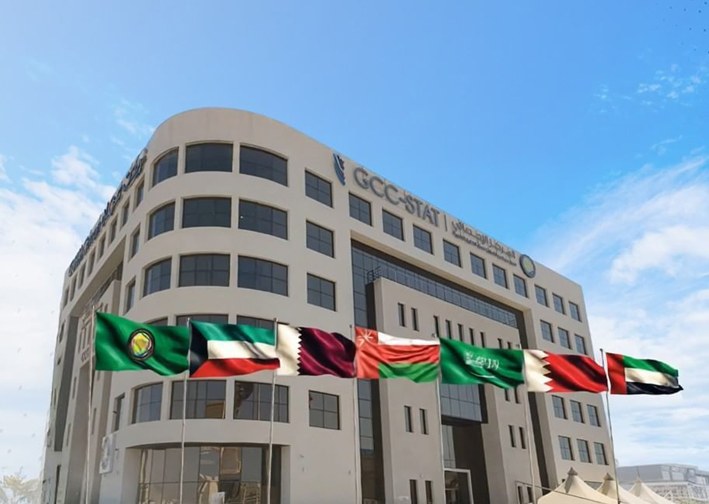
Data released by the Statistical Centre for the Cooperation Council for the Arab Countries of the Gulf (GCC-Stat) said social protection systems in Gulf states have become an advanced model regionally and internationally, combining social inclusion with economic capacity to sustain extensive welfare networks.
In its report, “The State and Policies of Social Protection in the Gulf Cooperation Council Countries,” GCC-Stat said member states outperform many countries across international social protection indicators.
All GCC states fall within the “very high human development” category in the 2025 Human Development Index, reflecting strong performance in health, education and quality of life. GCC countries also exceed the global average in the 2025 Social Progress Index, signalling progress in human well-being and development, the report said.
GCC-Stat noted that average GDP per capita in the GCC in 2024 was around three times the global average, while all member states ranked among the top six in the Global Competitiveness Index at the regional level of West Asia and Africa, supporting their ability to finance broad social protection programmes.
The report said 100 percent of the GCC population has access to education, healthcare, clean water and electricity, and that GCC countries are free of slums or inadequate housing, compared with a global rate of 24.7 percent.
Government spending on social protection ranged between 19.2 percent and 22.9 percent of total government expenditure in 2022, the report said, reflecting the priority placed on investment in people.
Social protection programmes cover all stages of life, starting with childhood registration, where 100 percent of children under five in GCC states are registered in civil records, compared with 77.2 percent globally.
Coverage extends through working age through unemployment, workplace injury, maternity and paternity benefits, and into retirement through mandatory pension systems, where replacement rates can reach up to 100 percent of contributory salary in some countries.
GCC-Stat said the number of insured individuals in GCC pension systems exceeded 15 million, while the number of retirees surpassed 985,000.
The number of heirs receiving benefits exceeded 497,000, with annual insurance benefits totalling more than $31 billion.
The report also highlighted the “Extending Social Protection” initiative, which allows GCC citizens working in other member states to remain covered by pension and social insurance schemes. In 2023, about 34,000 citizens were covered in states other than their home countries, representing growth of more than 330 percent compared with 2007.
Despite progress, the report cited challenges including demographic change, ensuring long-term financial sustainability, closing coverage gaps for certain groups, improving benefit adequacy, and strengthening institutional coordination and data integration.
It recommended developing more inclusive and sustainable systems, diversifying funding sources, and establishing a unified GCC-level information system to support impact assessment and evidence-based policymaking.
The report is framed under the GCC’s Comprehensive Development Strategy (2010–2025), supported by joint strategies covering labour, civil service and human resource development, population policy and women’s labour affairs.