 The Gulf Time Newspaper One of the finest business newspapers in the UAE brought to you by our professional writers and editors.
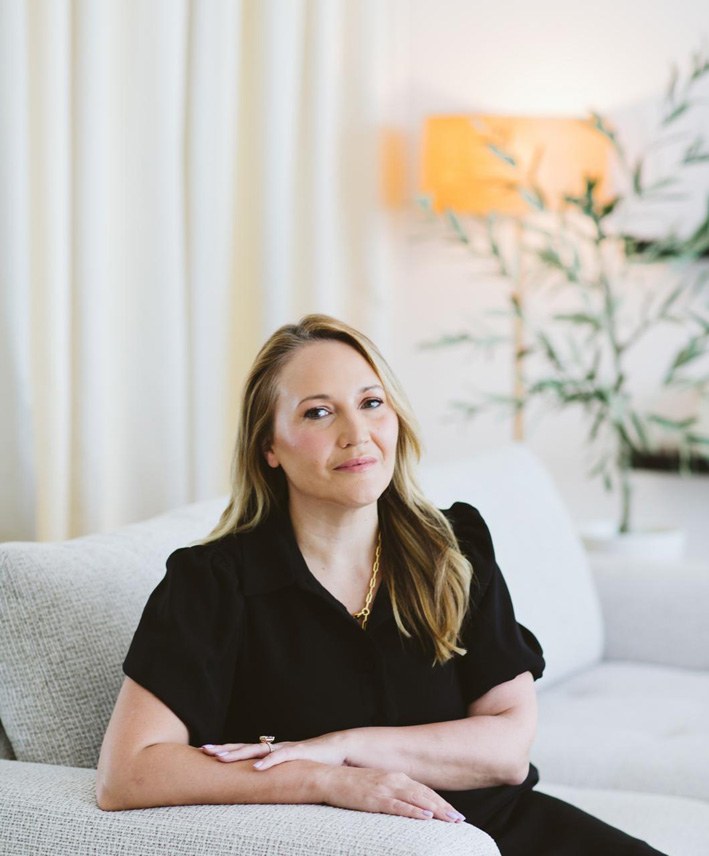
Natasha Hatherall, Founder and CEO of TishTash Group
DUBAI / GULF TIME
In the UAE and wider GCC, we talk a lot about transformation. Economies are diversifying, mega projects are breaking ground, and policy is moving faster than ever. Yet culture does not change at the same speed, especially around women’s careers, money, health and family life.
For me, the most powerful lever for long-term cultural change is not another campaign or initiative. It is community. As founder and CEO of TishTash Group, an independent portfolio of companies that supports in the amplification of communication and collaborations across the GCC and the UK, I have spent 14 years helping brands speak to women across beauty, health and lifestyle. As part of the group, I own the ‘That Group’ of women’s communities – including That Dubai Girl, That Abu Dhabi Girl, That Saudi Girl and That Dubai Mum – a network of private Facebook groups and offline events that connect tens of thousands of women across the region. Together, these vantage points make one thing clear: if you want to shift culture, start where women are already talking to each other.
From audiences to communities
We often confuse having an “audience” with having a community. An audience is something you rent through media spend. A community is something you build and steward: members who show up for each other, not just for you.
‘That Dubai Girl’ began as a Facebook group to help women navigate life in Dubai – housing, jobs, visas, friendships and safety. It has grown into one of the most engaged networks of women in the city, with 41,000 members, 28,000 of whom are active every day, 4000 unique posts per day, plus in‑person events and partnerships spanning career, wellbeing and lifestyle. Similar dynamics now play out in That Abu Dhabi Girl, That Saudi Girl and That Dubai Mum, adapted to each city and life stage.
What makes these spaces work is not the platform, but the design. Clear rules, zero tolerance for bullying, strong moderation and a focus on practical help create psychological safety at scale.
Where culture really shifts
On any given day, you see cultural change in motion. Women compare salaries, ask for contract advice and share business journeys. Others speak openly about fertility treatment, miscarriage, menopause and mental health, long before these topics make their way into corporate policies or mainstream campaigns. New arrivals find flatmates, flag unsafe landlords or employers, and build networks that make it realistic to stay and build a life in the region.
Across these groups, attitudes to divorce, debt, childcare, entrepreneurship and even failure evolve post by post. One woman says “this happened to me too”, another recommends support, a third shares a story of starting again. Over time, that does what no single campaign can: it makes new behaviours feel normal.
Inside TishTash, we see the same. When we introduced policies around menstrual, menopause and fertility leave, and explicit support for pregnancy loss, it was because we heard these conversations in our own corridors and in the communities we are part of. Policy followed people, not the other way around.
Community as a strategic business asset
For Gulf Time readers, the question is performance. Community, when taken seriously, is not a “nice-to-have” CSR effort. It is an insight engine, brand moat and employer brand differentiator.
In our work at TishTash, the ‘That’ network operates as an always-on focus group, surfacing concerns, language and unmet needs long before they appear in formal research decks. It shows how women actually talk about financial anxiety, body image, healthcare access or returning to work after maternity – a nuance that can fundamentally change a campaign or product launch.
For brands that partner thoughtfully, the benefits are tangible. Events co‑created with groups like That Dubai Girl or That Dubai Mum drive engagement and commercial outcomes for hospitality, retail and health clients – from increased footfall and trial to repeat visits and loyalty. Recommendations from within a trusted community convert differently to traditional advertising because they carry the weight of lived experience.
The same women in these groups are the ones you want to hire and retain. When organisations show up with humility, listen first and contribute value, through workshops, mentorship or simply honest presence, they build a reputation that no careers page can replicate.
Where Gulf business leaders should start with community-building
You do not need to build your own network to harness the power of community, but you do need to shift your mindset.
- Start by listening where your audience already is – Facebook groups, WhatsApp communities, Telegram channels and emerging platforms – rather than trying to drag them into a branded space.
- Invest in trusted community hosts and moderators, especially women, who understand the culture and can hold space for sensitive topics.
- Think long term. Community is built in years; commit to consistent presence and value.
- Measure what matters: not follower counts, but sentiment, repeat participation, referrals, and the quality of leads, hires and partnerships that come through these networks.
The Gulf is in a rare moment where infrastructure, ambition and capital are aligned. If we want that to translate into more inclusive cultures we cannot rely on top-down messaging alone. We need to back the networks where real conversations are already happening, and recognise the women quietly building them as partners in long-term change, not just channels to “target”.
Communities will not replace strategy, policy or investment. But if we are serious about reshaping culture in the GCC, they may well be the most powerful vehicles we have.
Natasha Hatherall is the founder and CEO of TishTash Group, an independent portfolio of companies that supports in the amplification of communication and collaborations across the GCC and the UK. She also owns the ‘That Group’ of women’s communities, including That Dubai Girl, That Abu Dhabi Girl, That Saudi Girl and That Dubai Mum, connecting tens of thousands of women online and through offline events across the region.